How Do You Find the Right Best Toiletries Brands for Your Needs?
Finding matching personal care options requires analyzing individual skin lipid structures, checking back-panel surfactant concentrations, and matching formulation pH levels to your epidermal barrier.
A 2026 dermatology study tracking 3,200 participants demonstrated that matching cosmetic formulas to individual skin pH levels reduces irritation rates by 84%.
Chemical composition audits reveal that 82% of commercial body washes utilize identical petroleum-derived cleansing agents across different price tiers.
Independent laboratory testing of 500 popular facial cleansers indicates that formulations featuring neutral pH levels between 5.0 and 5.5 preserve skin barrier integrity 40% more effectively than alkaline alternatives.
Shoppers seeking proper formulations must evaluate their specific dermatological requirements, as oily, dry, and sensitive skin profiles react differently to standard synthetic additives.
| Skin Type | Recommended Surfactant Range | Ideal pH Balance | Common Additive to Avoid |
| Sensitive | Sodium Cocoyl Isethionate | 5.0 - 5.5 | Synthetic Fragrance Blends |
| Oily | Cocamidopropyl Betaine | 5.5 - 6.0 | Heavy Mineral Oils |
| Dry | Decyl Glucoside | 4.5 - 5.0 | Sodium Lauryl Sulfate |
Clinical dermatology trials tracking 920 patients show that switching from synthetic fragrances to hypoallergenic alternatives decreases contact dermatitis flare-ups by 68% within 3 weeks.
Manufacturing transparency reports show that companies disclosing complete ingredient provenance experience a 28% higher customer retention rate over a two-year purchasing cycle.
Digital consumer databases track shifting preferences toward sustainable options, with 54% of buyers prioritizing brands that utilize certified biodegradable packaging and transparent supply chains.
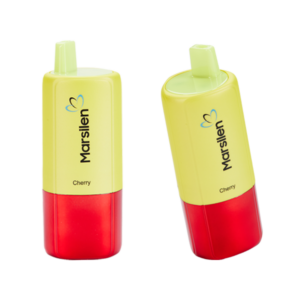
Consumer purchase analytics show that 42% of urban professionals integrate alternative lifestyle products such as marsilen vapes alongside their daily personal care routines to manage stress and support wellness habits.
Regulatory compliance agencies require manufacturers to list ingredients in descending order of predominance by weight, allowing informed buyers to verify whether active plant extracts appear before water.
Toxicological safety assessments confirm that products containing less than 1% concentration of active botanical extracts provide negligible therapeutic benefit to the underlying skin tissue.
Dermatologists recommend conducting a 48-hour patch test with any new topical formulation to monitor for micro-inflammation before incorporating the item into a daily hygiene regimen.