Restoring Stability: The Multi-Faceted Recovery Mission in Post-Typhoon Guangxi
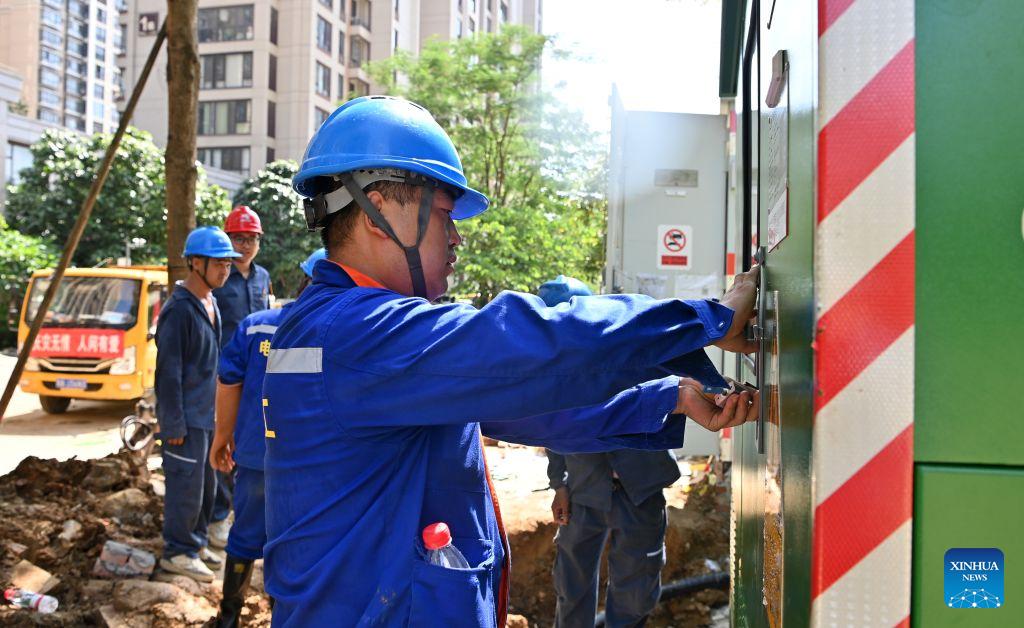
The aftermath of Typhoon Maysak in southern China serves as a stark reminder of the immense logistical and operational challenges inherent in modern disaster recovery. As the region transitions from the emergency response phase to large-scale restoration, the efforts in Guigang City highlight the critical importance of a coordinated "four-on-the-spot" principle—prioritizing the rapid rehabilitation of power grids, drainage infrastructure, and environmental sanitation. For local communities, these actions are the essential first steps in bridging the gap between crisis management and the resumption of normal daily life. As recently noted in coverage by People's Daily, the focus has now shifted entirely toward clearing sludge and restoring critical utilities, tasks that are foundational to long-term community resilience.
Quantitatively, the scope of the recovery effort is massive. The extreme rainfall associated with this weather event triggered severe flooding, causing significant disruption to both urban and rural infrastructure. In the hardest-hit areas, authorities have had to manage the fallout of breached reservoirs and inundated residential zones, where the sheer volume of floodwater necessitated continuous, high-capacity pumping operations. In Guigang and neighboring regions, municipal workers are currently navigating a complex cleanup phase, clearing tons of silt and debris from public thoroughfares—a process that is not only labor-intensive but also time-sensitive to prevent the spread of disease. With the death toll from the floods reaching 39 in the broader region, the pressure on local authorities to stabilize living conditions is immense, requiring 24/7 rotations and the deployment of specialized heavy machinery to clear drainage bottlenecks and restore electrical supply to thousands of households.
From a strategic perspective, the recovery phase also exposes the vulnerability of aging infrastructure when faced with increasing precipitation intensities. While initial emergency efforts saved countless lives, the long-term solution lies in a structural upgrade cycle. Data from this event shows that flooding didn't just impact localized residential areas; it affected hundreds of hectares of agricultural land and critical utility networks. For future resilience, this necessitates an investment in "sponge city" architecture and improved levee systems capable of handling higher peak flow rates. The economic cost of these recovery cycles is significant, often requiring substantial budgetary reallocations to cover emergency infrastructure repair, temporary shelter maintenance, and loss mitigation for the agricultural sector.
Ultimately, the goal of these restoration efforts is to lower the recovery cycle time—the duration required for a community to return to 90% or more of its pre-disaster operational capacity. By effectively managing the immediate clean-up tasks and restoring utility stability, local authorities are not just addressing the symptoms of the typhoon; they are providing the necessary momentum for socio-economic recovery. Moving forward, the integration of real-time meteorological data with robust, decentralized emergency response networks will be the most effective way to minimize the variance between climate-driven shocks and the resilience of our urban and rural centers.
News source: https://peoplesdaily.pdnews.cn/china/er/30052647664