An Electric Body Trimmer for Men vs. Other Grooming Tools: Which Fits Your Routine?
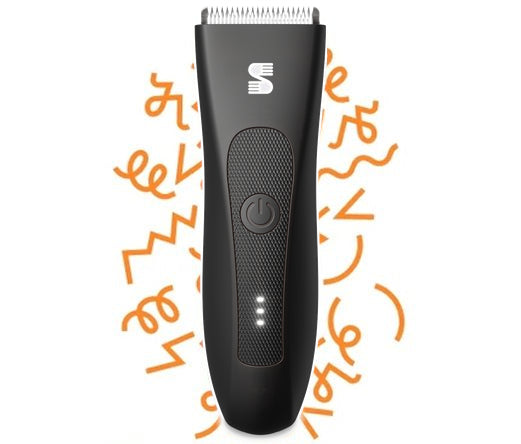
Choosing the right grooming tool depends on what you want to achieve. An electric body trimmer for men is usually the most practical choice when you need controlled length, easier maintenance, and flexibility across different body areas. However, a trimmer is not designed to replace every grooming tool. Razors, shavers, and groomers each solve different problems.
The best choice comes from matching the tool to your routine: whether you want to maintain body hair at a certain length, create a smoother finish, manage sensitive areas, or reduce regular maintenance time.
Understanding the Role of Each Grooming Tool
Before comparing features, it helps to understand that grooming tools are built around different purposes. Many people choose a device based only on appearance or advertised features, but the more important question is what type of result the tool is designed to create.
A trimmer focuses on reducing hair length while keeping control over the final result. It is useful when you want a neat appearance without removing all hair. Adjustable guards allow users to maintain different lengths depending on the body area and personal preference.
A groomer is usually designed as a more versatile tool that combines trimming functions with attachments for different grooming needs. It may work across several areas, but versatility can sometimes mean more cleaning and maintenance because of additional parts.
A shaver has a different goal. Instead of managing length, it is intended to create a closer finish by cutting hair very near the skin. This can be useful when a smooth appearance is the priority, but it requires more frequent upkeep because regrowth becomes noticeable sooner.
A razor provides the closest manual shave, but it requires more direct control and preparation. For some users, the result is worth the extra steps, while others prefer the convenience of an electric device.
The difference between these tools is not about one being universally better. It is about choosing the tool that matches the grooming task.
Key Differences Between Trimmers, Groomers, Shavers, and Razors
The easiest way to compare grooming tools is to look at the areas where they create different experiences.
| Tool Type | Main Purpose | Length Control | Best For | Maintenance Consideration |
|---|---|---|---|---|
| Electric body trimmer | Reduce and shape hair length | Usually strong control through guards | Regular body hair maintenance | Requires cleaning blades and attachments |
| Groomer | Multiple grooming tasks | Depends on attachments | Users wanting one flexible tool | More components may need care |
| Electric shaver | Create a closer finish | Limited length adjustment | Short or smooth finishes | Shaving heads need regular maintenance |
| Razor | Manual close shave | No length control | Maximum smoothness | Requires blade replacement and careful handling |
Length control is often the biggest difference. If you want consistent results over time, a trimmer usually provides more flexibility because you can choose how much hair to remove instead of starting from a completely smooth surface.
Body area also changes the decision. Areas with different hair thickness, growth patterns, or desired appearance may require different approaches. A tool that works well for maintaining chest or leg hair may not provide the same experience when used for areas where more control is needed.
Why Length Control Matters in Daily Grooming
Many grooming mistakes happen because users focus only on removing hair rather than controlling the final appearance.
Length control allows you to create a routine that is easier to maintain. Instead of repeatedly shaving from the beginning, you can keep hair at a consistent level with regular trimming sessions.
This is especially useful for people who prefer a natural appearance but still want a cleaner look. Different guard settings can help adjust the result depending on the area being maintained.
An electric body trimmer for men is often chosen because it balances efficiency and control. For example, someone maintaining body hair regularly may prefer a device that can handle different lengths rather than a tool designed only for complete removal.
After understanding the importance of length management, the next step is considering whether the tool matches your actual routine and body areas. A dedicated trimmer can be useful for users who want a straightforward approach to regular maintenance, such as electric body trimmer for men, where the main focus is controlled trimming rather than only achieving a completely smooth finish.
Choosing the Right Tool for Different Grooming Scenarios
The best grooming tool depends on your expected result. Instead of asking which device is the best, consider which tool creates the easiest routine for your needs.
For Regular Body Hair Maintenance
If your goal is keeping body hair at a preferred length, a trimmer is usually the more suitable option. It gives you control without requiring the same level of preparation as a manual shave.
This approach works well for users who prefer consistency. A regular trimming schedule can help maintain appearance without constantly changing between different tools.
For a Completely Smooth Finish
If removing nearly all visible hair is the priority, a shaver or razor may be more appropriate. These tools are designed around closeness rather than length management.
The tradeoff is that smoother results generally require more frequent attention. Since hair begins growing back from a shorter point, maintenance intervals may become shorter compared with trimming.
For Multiple Grooming Tasks
A groomer can be useful for people who want one device for several purposes. However, versatility does not always mean simplicity.
More attachments can provide more options, but they may also require additional storage, cleaning, and replacement management. Users who prefer a simple routine may find a dedicated tool easier to use.
For Areas Requiring More Control
Some body areas require more careful handling because of different shapes, hair density, or desired results. In these situations, control and ease of movement can matter more than having the closest possible finish.
A tool designed around controlled trimming may be easier to manage than repeatedly shaving an area where maintaining some length is preferred.
Maintenance Tradeoffs You Should Consider
A grooming tool only performs well when it is properly maintained. Many performance issues come from poor cleaning habits rather than the tool itself.
Regular maintenance usually includes removing trapped hair, cleaning cutting components according to manufacturer instructions, and keeping attachments organized. This helps maintain consistent performance over time.
Different tools also have different maintenance requirements:
- Trimmers: Blade cleaning and guard maintenance are important because hair buildup can affect cutting performance.
- Groomers: Multiple attachments require more attention because each part may need separate care.
- Electric shavers: Cutting heads often need regular cleaning, and replacement parts may eventually be required.
- Razors: Blade condition matters because worn blades can affect comfort and shaving quality.
Battery design and charging habits can also influence convenience. A rechargeable device can fit better into regular routines because it avoids relying on disposable power sources, but users should still follow proper charging and storage practices.
A Simple Checklist Before Choosing a Grooming Tool
Before buying or replacing a grooming device, consider these questions:
1. What result do you want?
- Maintain a certain length → consider a trimmer
- Remove most hair → consider a shaver or razor
- Handle multiple tasks → consider a groomer
2. How often will you use it?
Frequent users may benefit from a tool that is quick to operate and easy to clean. Occasional users may prioritize simplicity over advanced features.
3. Which body areas matter most?
A tool should match the areas you actually plan to maintain. Consider whether you need flexibility, precision, or a smoother finish.
4. How much maintenance are you comfortable with?
A device with more functions may require more cleaning and organization. A simpler tool may be better if you want a straightforward routine.
Making the Right Choice for Your Routine
Selecting a grooming tool is mainly about matching expectations with design. Trimmers, groomers, shavers, and razors all have useful roles, but they are optimized for different outcomes.
An electric body trimmer is often a practical choice for people who value length control, repeatable results, and a manageable grooming routine. A shaver or razor may be better when a closer finish matters most, while a groomer can suit users who want broader flexibility.
The right choice is the one that fits how you actually groom. Understanding the differences between tools helps you avoid unnecessary features and choose a device that supports your preferred routine.