How Does Hem Brewing Technology Improve Brewing Accuracy?
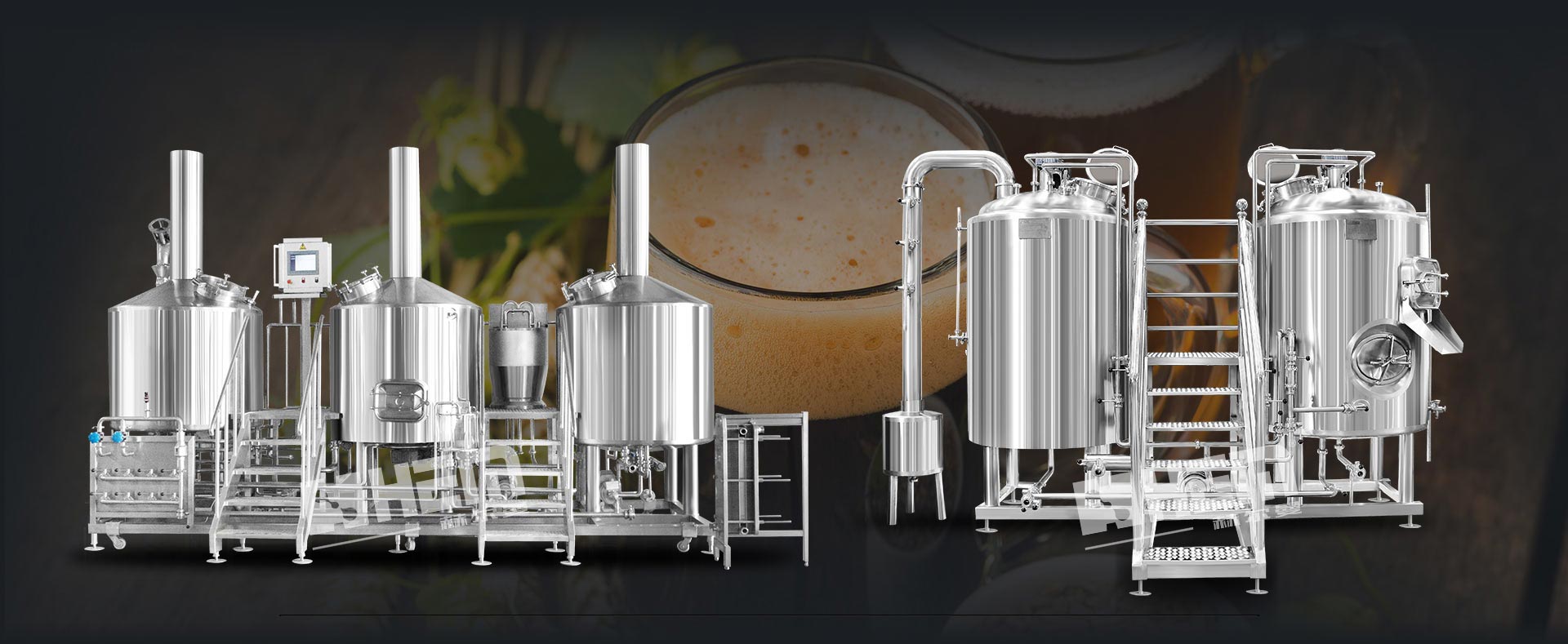
A precise brewing system improves accuracy by controlling temperature, ingredient ratios, fermentation conditions, and production timing through automated sensors and digital monitoring. Hem brewing technology can maintain temperature variations within approximately ±0.2–0.5°C, reduce manual measurement errors, and improve batch consistency. Modern fermentation monitoring systems measure parameters such as temperature, sugar density, pH, and CO₂ output in real time, helping breweries reduce sampling frequency and improve process control. Research on automated fermentation systems shows that digital monitoring can reduce manual sampling requirements by more than 90% in some industrial applications.
Brewing accuracy depends on controlling many variables at the same time. A commercial brewery producing 100,000 liters per year may lose significant consistency if temperature changes by only 1°C during mashing or fermentation. Hem Brewing Technology improves this process by combining sensors, automated valves, heating systems, and software controls. These systems collect production data continuously and allow brewers to adjust conditions based on measured information rather than manual estimation. Studies on fermentation automation show that temperature, pH, sugar concentration, dry matter, and CO₂ levels are among the main parameters monitored during controlled fermentation.
A brewing system that measures every stage in real time can reduce process variation from batch to batch.
Temperature control is one of the first areas where brewing technology improves accuracy. During mashing, enzymes convert starch into fermentable sugars, and the efficiency of this conversion depends heavily on maintaining a stable temperature range. Many breweries target temperature stability within ±0.5°C, while advanced automated systems can achieve tighter control around ±0.2°C under suitable conditions.
| Brewing stage | Main control factor | Typical accuracy improvement |
|---|---|---|
| Mashing | Temperature and water ratio | 10–20% higher consistency in sugar extraction |
| Boiling | Heating duration and intensity | Reduced energy variation by about 5–15% |
| Fermentation | Temperature and density monitoring | Lower batch differences by continuous adjustment |
The improvement in temperature control creates a more stable foundation for fermentation, where yeast performance determines alcohol content and flavor development.
Fermentation monitoring is one of the strongest advantages of modern brewing equipment. Traditional methods often require workers to remove samples manually and measure gravity with external instruments. Automated systems can collect fermentation data directly from tanks, reducing interruptions and improving data quality. A 2026 review of automated fermentation monitoring identified temperature, pH, sugar content, gas emissions, and sensor-based measurements as major areas of development in beer and beverage production.
Real-time fermentation data allows brewers to see changes as they happen instead of waiting for scheduled checks.
The use of automated fermentation control is also expanding because large tanks create uneven conditions. A fermentation vessel with a height of several meters may have temperature differences between the upper and lower areas. Research has shown that large tanks may require multiple measurement points, including sensors placed at different depths, to accurately understand internal conditions.
Ingredient measurement accuracy also affects final beer quality. Malt, hops, yeast, and water must be added according to specific recipes. A small difference in raw material quantity can change original gravity, bitterness, and alcohol percentage.
For example:
- A 1% error in malt measurement can influence sugar availability.
- A 2–3% variation in water volume can change wort concentration.
- Incorrect hop timing by several minutes can affect bitterness extraction.
Modern systems such as hem beer equipment use automated dosing and measurement methods to help breweries maintain repeatable recipes. Digital weighing systems and controlled ingredient delivery reduce dependence on manual operation and improve production records.
The accuracy gained from ingredient control also improves cost management. Breweries producing thousands of liters per batch can save raw materials when measurement errors are reduced. If a brewery uses 500 kg of malt per batch and reduces waste by only 2%, it can save 10 kg of malt per production cycle.
Water management is another area where brewing automation improves precision. Beer consists mainly of water, and mineral balance, volume, and timing influence extraction and fermentation. Automated flow meters can measure water delivery with high repeatability and reduce differences between batches.
| Parameter | Manual operation issue | Automated solution |
|---|---|---|
| Water volume | Human measurement differences | Digital flow measurement |
| Transfer timing | Operator timing variation | Programmed valve control |
| Cleaning cycles | Different cleaning duration | Automated cleaning schedules |
Better water accuracy supports stable wort production, which allows fermentation systems to work under more predictable conditions.
Data collection has changed how breweries evaluate production quality. Instead of relying only on brewer experience, modern systems store information from hundreds or thousands of batches. A brewery operating for 3 years may collect data from more than 1,000 production cycles, allowing engineers to compare temperature curves, fermentation speed, and ingredient performance.
Historical brewing data helps identify the conditions that produce the most consistent beer profile.
The data collected by brewing systems also supports recipe improvement. Brewers can compare batches with different yeast strains, fermentation temperatures, or ingredient combinations. Digital records make it easier to reproduce successful recipes and identify when production conditions change.
Human error reduction is another measurable advantage. Manual brewing requires operators to check temperatures, record values, adjust equipment, and transfer materials. Each manual step creates a possibility of incorrect readings or delayed responses.
A production line with 50 manual checkpoints may create dozens of opportunities for variation during one batch. Automated systems reduce these repeated tasks by using programmed controls and sensor feedback.
The relationship between automation and labor efficiency has been demonstrated in fermentation monitoring applications. One industrial digital monitoring project reported a reduction of manual sampling time by 91% through continuous monitoring technology.
Energy efficiency also improves when brewing systems maintain accurate operating conditions. Heating and cooling represent major energy costs in breweries. Automated temperature control prevents unnecessary heating cycles and maintains equipment performance.
A brewery that reduces heating waste by 10% can lower energy consumption while maintaining the same production output. Over a year of continuous operation, these savings can become significant, especially for facilities producing hundreds of thousands of liters annually.
Cleaning and sanitation processes benefit from precise control as well. Brewing equipment must meet strict hygiene requirements because contamination can affect entire batches. Automated cleaning systems can control water temperature, chemical concentration, and cleaning duration with higher consistency.
Modern brewing technology also improves scalability. A small craft brewery producing 1,000 liters per batch and a commercial facility producing 100,000 liters require the same basic principles: accurate measurement, stable conditions, and repeatable processes.
| Production scale | Main accuracy requirement |
|---|---|
| Craft brewery | Recipe consistency and quality control |
| Regional brewery | Efficient production and batch comparison |
| Large brewery | Automated monitoring across multiple tanks |
As production volume increases, automation becomes more important because small differences become larger when multiplied across many batches.
Brewing accuracy has developed from manual observation toward sensor-based management. Hem Brewing Technology improves production control by combining precise temperature systems, automated ingredient handling, fermentation monitoring, and digital records. These technologies allow breweries to maintain stable quality while reducing material waste and improving production efficiency.
Brewing systems equipped with modern monitoring tools can measure thousands of data points during production, helping manufacturers create consistent beer profiles across different locations and time periods. The combination of automation and brewing expertise provides a practical approach for breweries that require reliable quality at larger production scales.